Questions
Answers after ACL surgery
Sourced answers from the ACL Recovery Team to what people ask between appointments. Start from your stage or from your question.
When can I…?
When can you swim after ACL surgery?
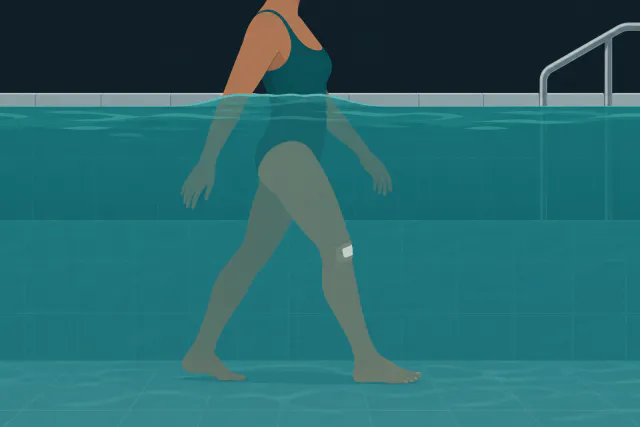
Pool rehab can start around weeks 3 to 4 if the wound has fully healed and your surgeon agrees. Lengths come later, and the breaststroke kick comes last.
When can you cycle after ACL surgery? Indoor bike to road
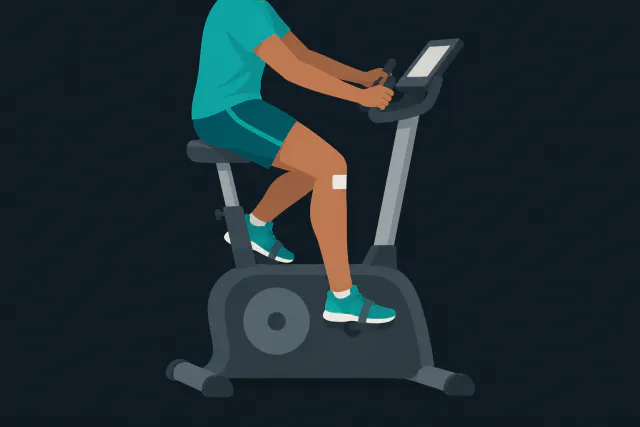
Rocking the pedals comes first, and riding usually follows in weeks 2 to 6, once the knee bends about 110°, less with a higher saddle. Road riding comes later.
Crutches after ACL surgery: how long, and how to wean off
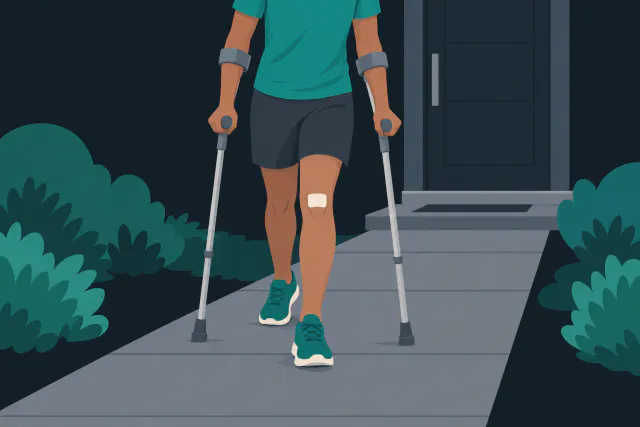
Usually 2 to 3 weeks, and 6 or more after some meniscus repairs. What physios check before a crutch comes away, and the order most people wean off them.
When can you have sex after ACL surgery?
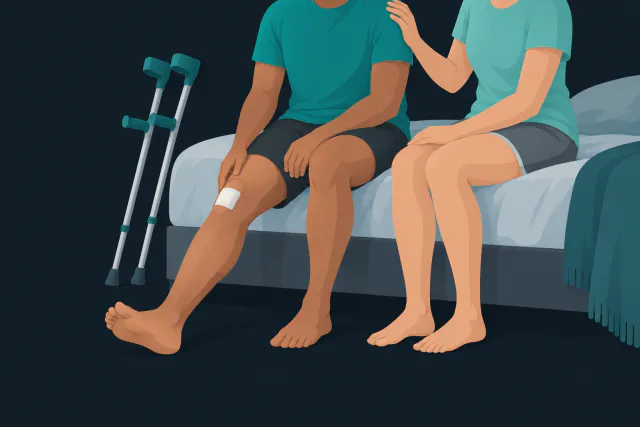
Usually once the wound has closed and the swelling settles, in positions that keep the knee straight and unloaded. No ACL study gives a date; the surgeon does.
When can you drive after ACL reconstruction?
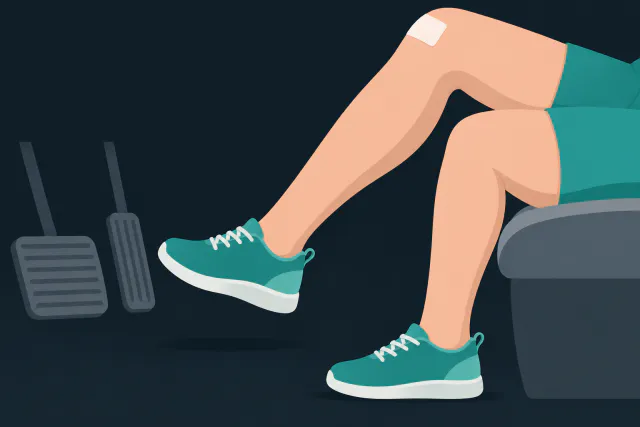
Why the answer ranges from two weeks to six, what the braking studies measured, and how the side, the graft and the painkillers change it.
Flying after ACL surgery: timing and clot risk
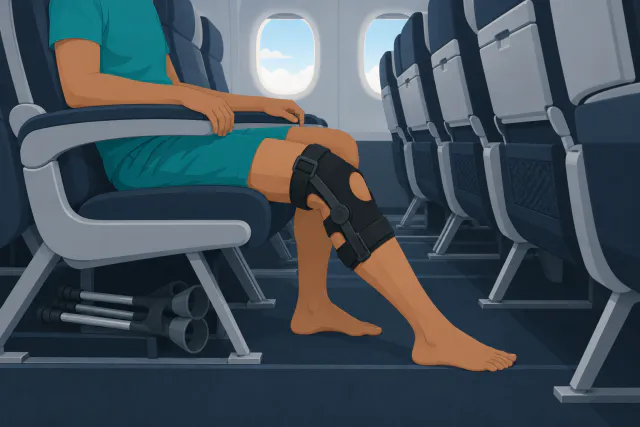
No guideline we found sets a date for flying after ACL surgery. Surgery and long flights both raise clot risk, most of all a long flight in the first weeks.
Going back to work after ACL surgery
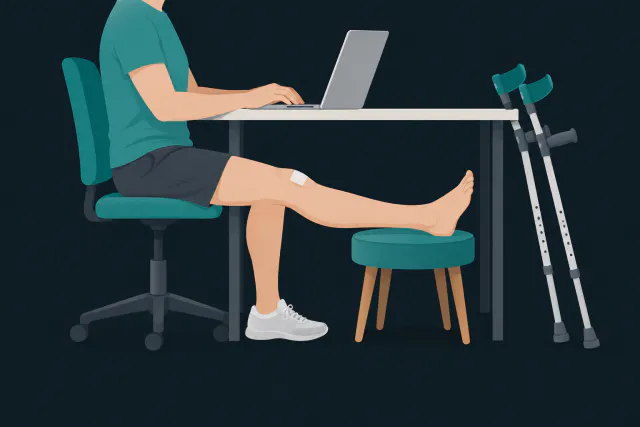
What the research found about timing, why a desk job and a knee-demanding job are different questions, and what usually decides the date.
When can you kneel after ACL surgery, and why it hurts
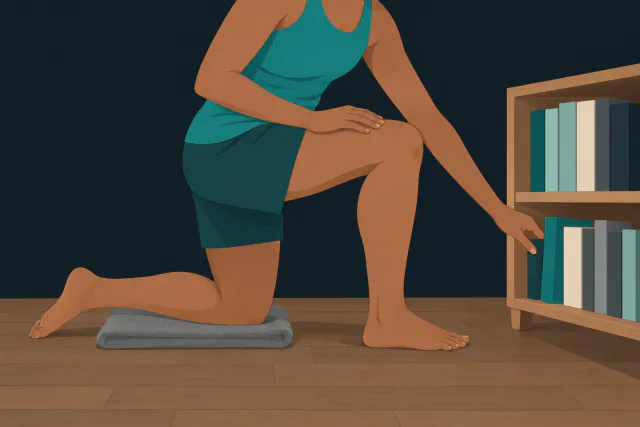
Safe for the new ligament once the wound has healed and the knee bends. What hurts is the skin, scar and tendon in front, worst after a patellar tendon graft.
When can you run again after ACL reconstruction?
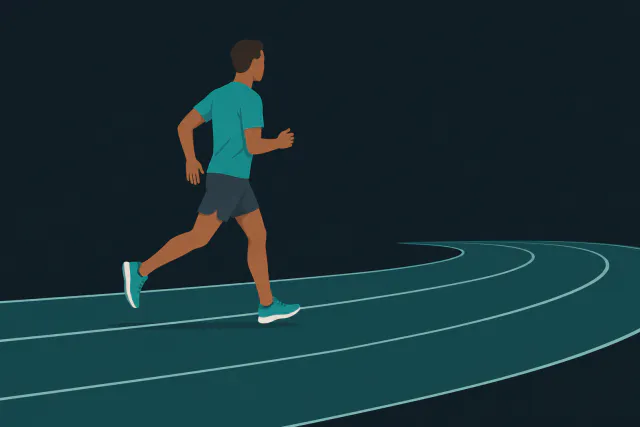
Most people are told "about three months", but the calendar is the weakest test. The strength, range and control criteria physios use before the first jog.
Plyometrics after ACL surgery: when jumping starts
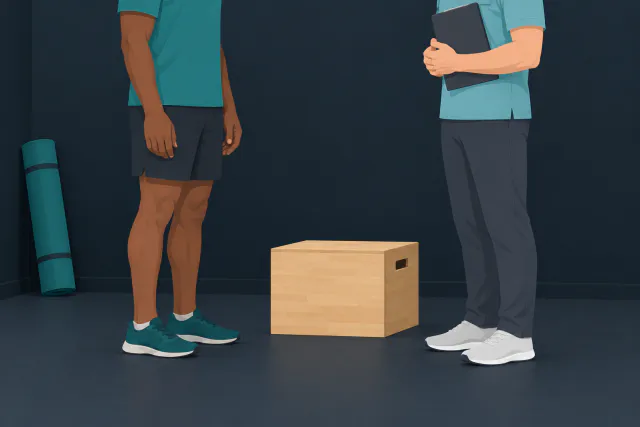
Jumping usually returns in the middle months after ACL surgery, low and on two legs first, once strength, swelling and landing control meet set criteria.
Cutting and change of direction after ACL surgery
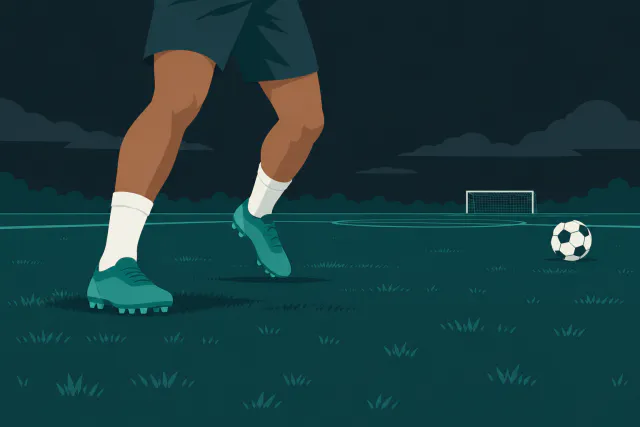
Cutting usually comes last in ACL rehab, after running and landing, as it is where many tears happen. Drills go from planned and slow to sharp and unplanned.
Return to sport after ACL reconstruction
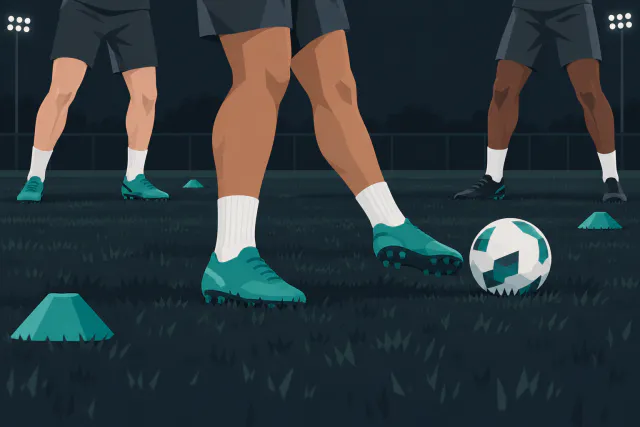
Most people return to some sport after ACL reconstruction, about half to competition. Clearance rests on tests, not the date, and the return is staged.
Can you swim with a torn ACL?
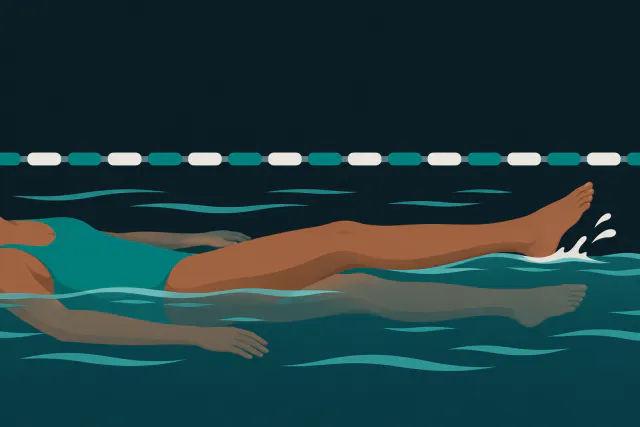
Usually yes, once the first swelling settles: front crawl and backstroke suit a knee without an ACL. Breaststroke, push-offs and wet floors are the risks.
Is this normal?
What is normal in the first week after ACL surgery
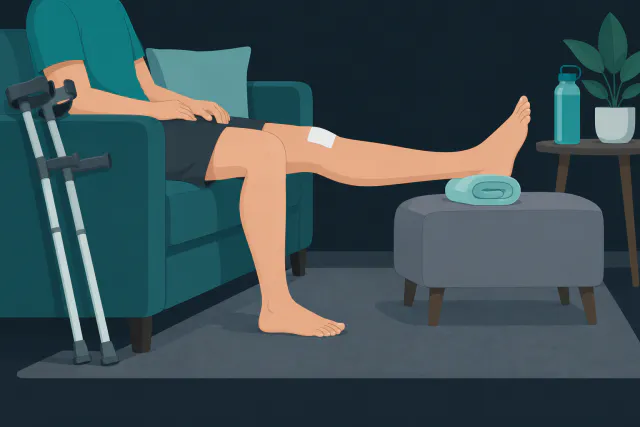
Swelling, a numb patch, a thigh that will not fire: what the first seven days usually look like, what to work on, and the few things that are not normal.
Numbness after ACL surgery: how long it lasts
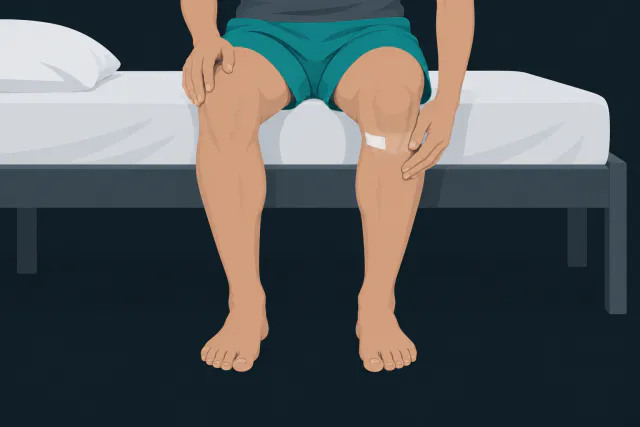
A numb patch beside the scar is common and can last months or stay. Why it happens, how common it is by graft, and the kind of numbness to report the same day.
Why won't my knee straighten after ACL surgery?
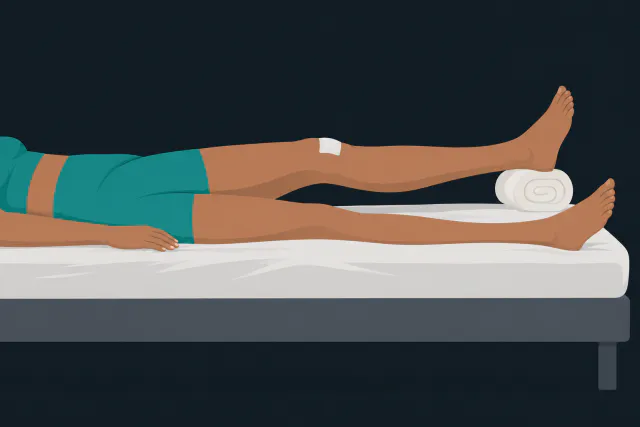
Swelling, guarding and a quiet quadriceps hold the knee bent. Most straighten with heel props and quad work; a block that stays is checked for scar tissue.
Blood clots after knee surgery: signs and when to get help
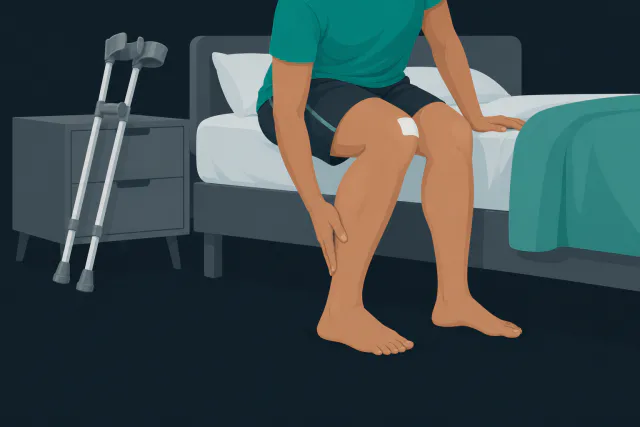
About 1 in 100 have a clot with symptoms within a month of ACL surgery. The signs of a DVT or pulmonary embolism, when the risk peaks, when to get help.
Cyclops lesion after ACL surgery
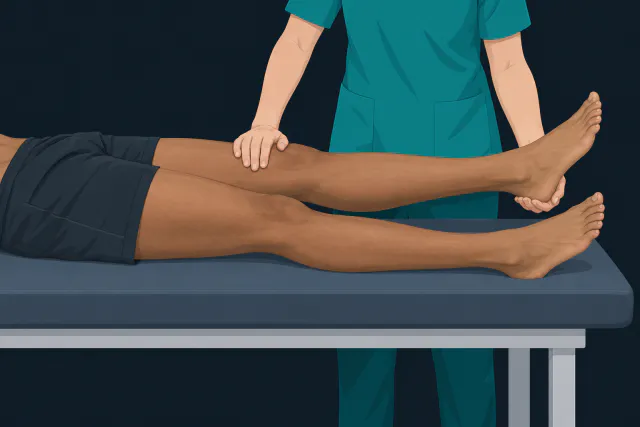
What a cyclops lesion is, why a nodule of scar tissue can stop the knee straightening, how often it causes symptoms, and what is usually done about it.
Normal soreness or a setback in ACL rehab?
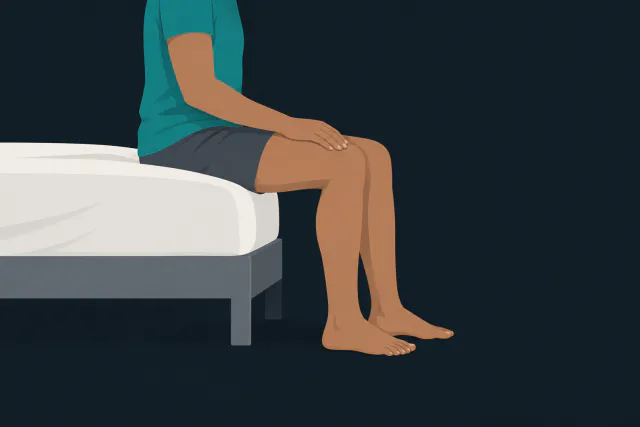
How to tell ordinary soreness after a rehab session from a knee reacting badly, what swelling adds, and which signs get reported the same day.
Can you tear your ACL again? How common a second injury is
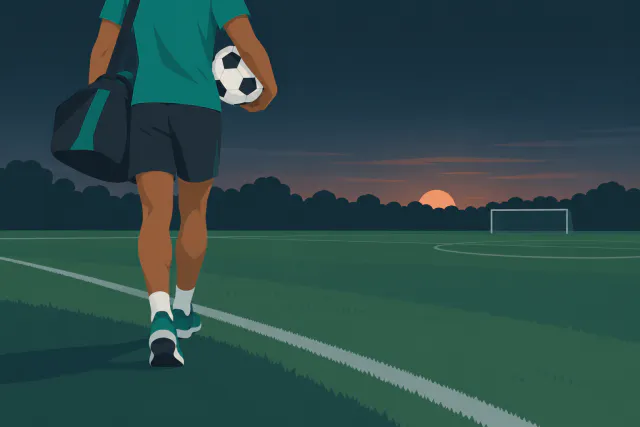
About 1 in 7 people tear an ACL again, in the graft or the other knee. Who is most at risk, how a re-tear shows up, and what lowers the odds.
Fear of reinjury after ACL surgery: how common, what helps
Fear of reinjury is the commonest reason people never go back to sport after ACL reconstruction. What the ACL-RSI scale measures, how scores change, what helps.
How do I…?
How to sleep after ACL surgery: positions and side sleeping
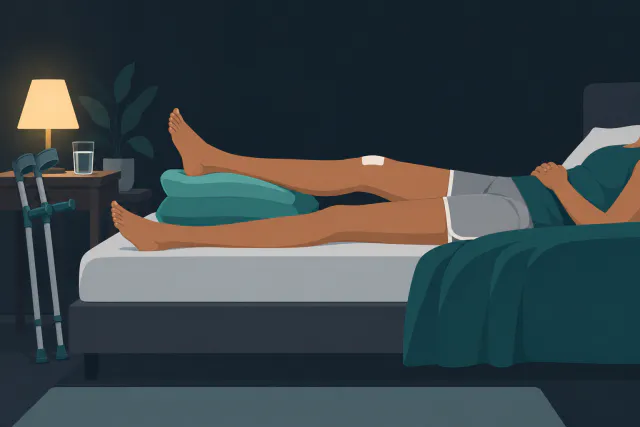
Back first, heel propped and leg raised; on your side with a pillow between the knees once your surgeon allows the bend. The brace at night is their call.
Stairs after ACL surgery: the technique and the timeline
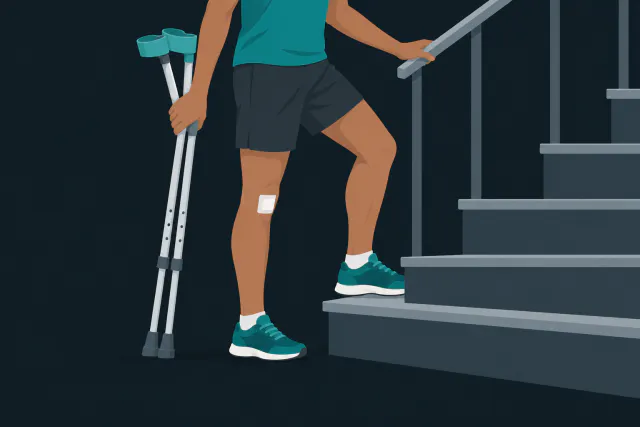
Up with the good leg, down with the operated one. Step-over-step returns when the knee bends and holds under load; coming down is the last to feel normal.
How to reduce swelling after ACL surgery
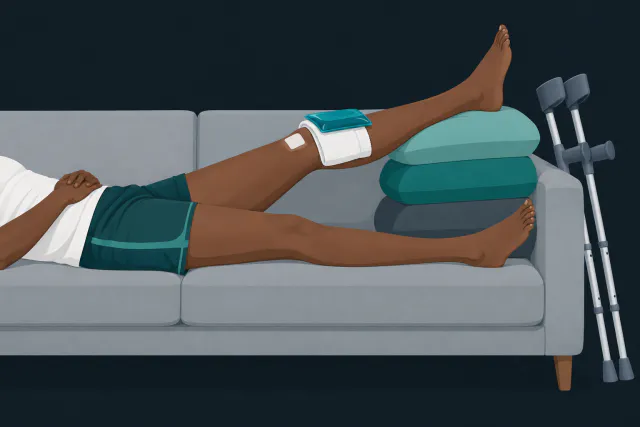
Why the knee fills with fluid, what ice, elevation and compression actually did in the trials, and how swelling is measured and used to pace rehabilitation.
Ice, elevation and compression after ACL surgery
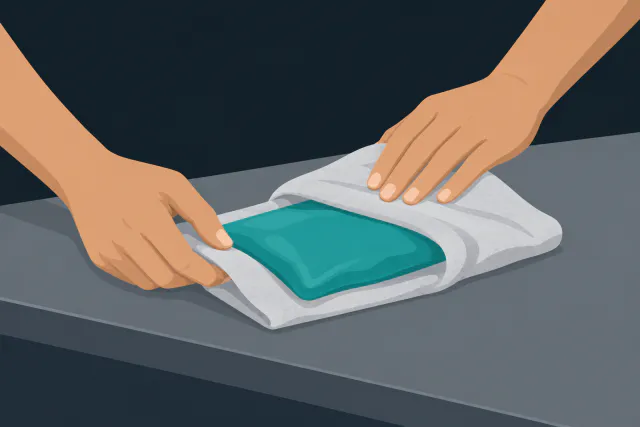
What the trials found when ice, cold devices and compression were tested after ACL reconstruction, and how the three are usually applied at home.
Quad activation after ACL surgery
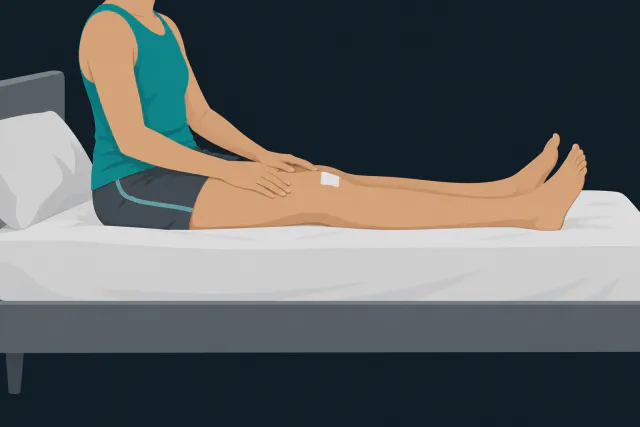
Why the thigh muscle refuses to fire in the first weeks, what arthrogenic muscle inhibition is, and what quad sets and electrical stimulation do about it.
Electrical stimulation for the quad after ACL surgery
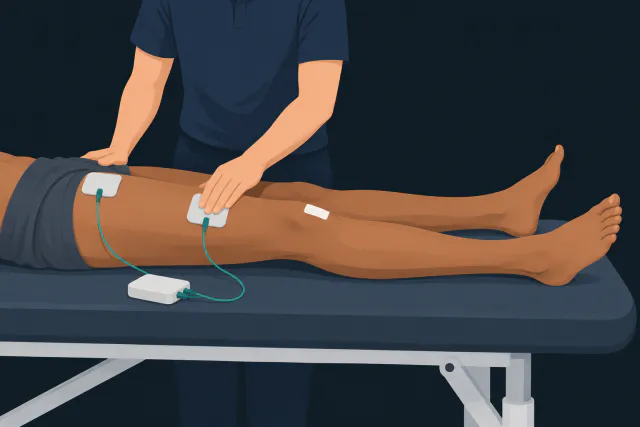
What NMES is, what the trials and the Aspetar guideline found it does for quadriceps strength after ACL reconstruction, and when it is used.
Do you need a brace after ACL reconstruction?
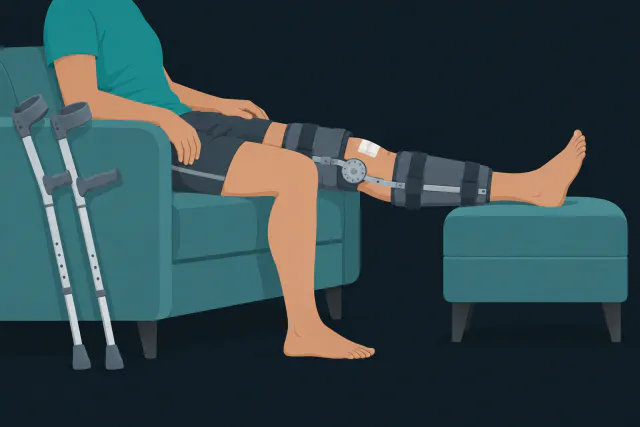
What post-operative and functional braces do, what the randomised trials found when the brace was taken away, and why two surgeons give different instructions.
Blood flow restriction training after ACL surgery
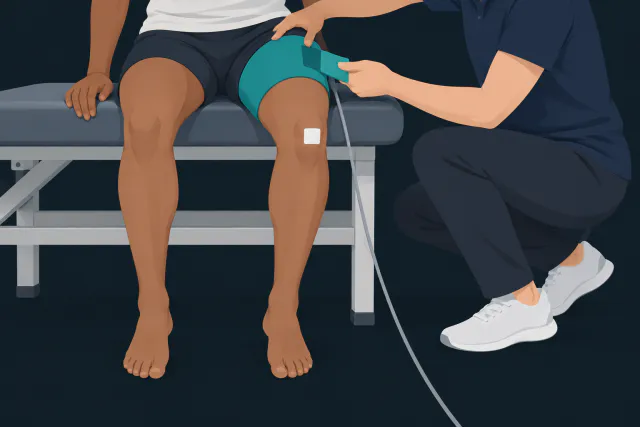
What blood flow restriction training is, what the trials after ACL reconstruction found, where guidelines place it, and why the cuff pressure is measured.
Staying motivated through nine months of ACL rehab
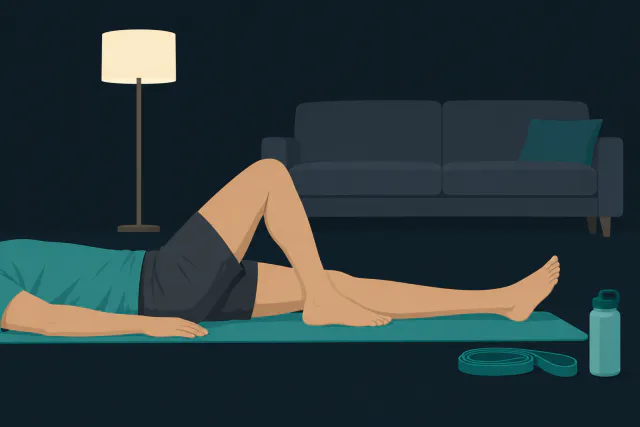
Motivation in ACL rehab tends to sag in the long middle months. What the studies found gets in the way, and what helps: support, small goals, a record.
Am I on track?
How to measure knee flexion at home with your phone
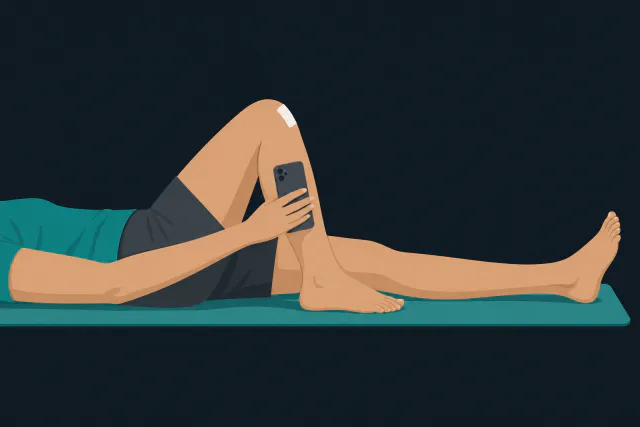
What flexion and extension mean, why a phone's sensors are good enough to track them between physio visits, and how to take a reading you can trust.
How to measure knee extension at home
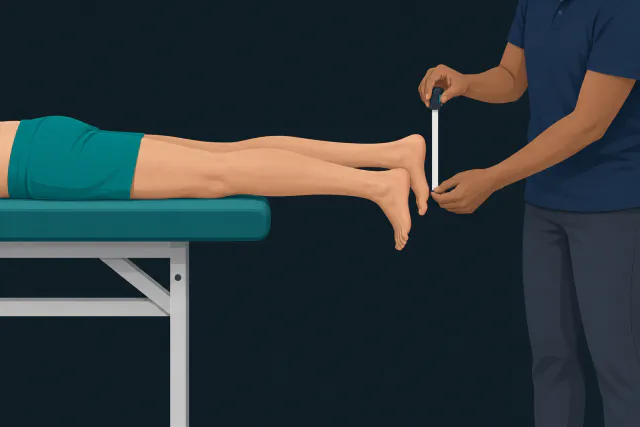
Why zero degrees is the wrong target, the two ways extension is measured, and how much of a day-to-day change is real rather than noise.
Limb symmetry index: how to work it out, and what 90% means
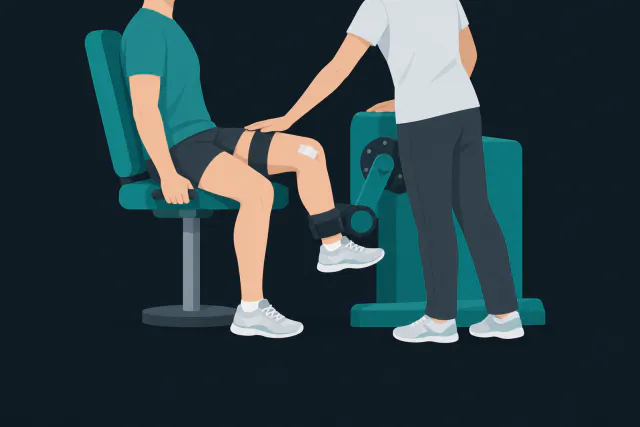
Divide the operated leg's result by the other leg's, then multiply by 100. Where the 90 per cent goal came from, and why a good score can still mislead.
Hop tests after ACL surgery
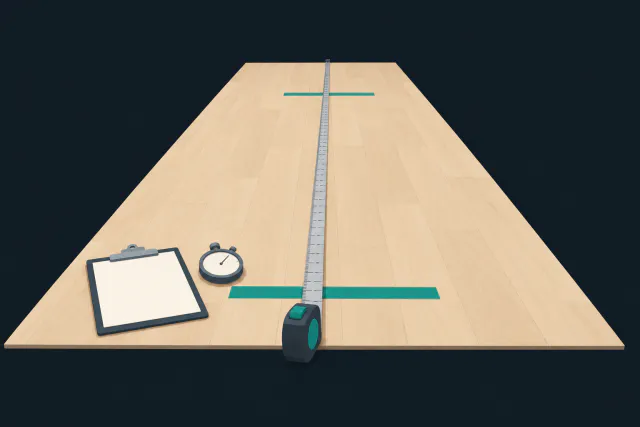
The four single-leg hop tests used after ACL reconstruction, how the limb symmetry index is worked out, and what a symmetrical hop distance can hide.
Setting up ACL rehab tracking: what to record first
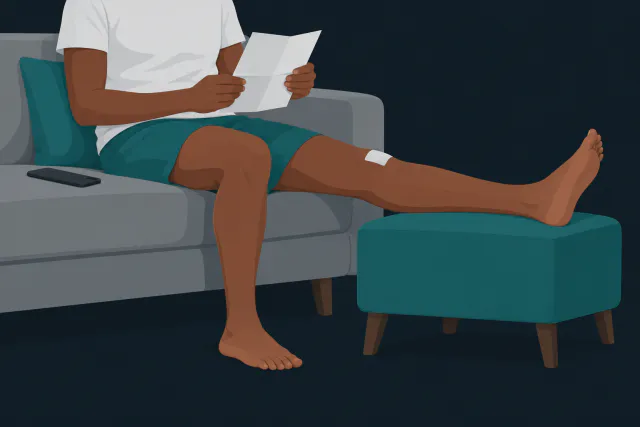
When you start logging ACL rehab: your surgery date and what was done, a checked starting point, the other knee's range of motion, and how the knee answers.
Sharing your ACL rehab log with your physio
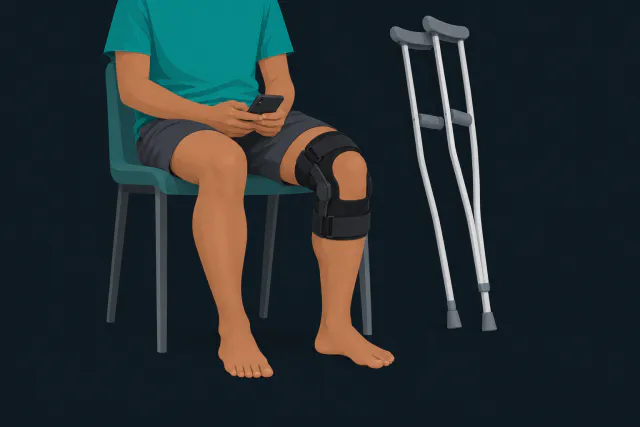
What to show a physio after ACL surgery: how the knee reacted after sessions, range-of-motion trends against the other knee, what you trained, and questions.
Reminders for ACL rehab exercises that fit your plan
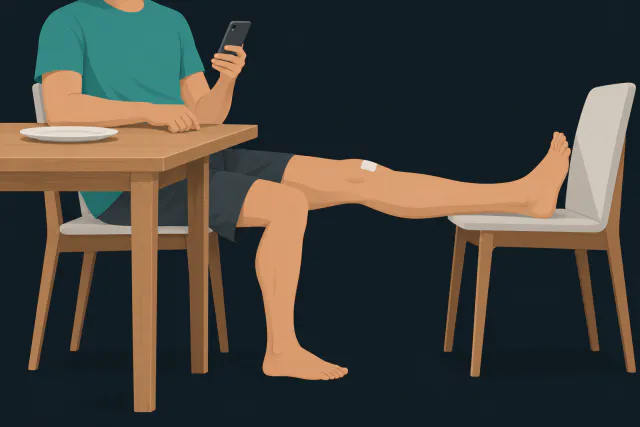
Reminders help with forgetting. In one trial, people sent automated texts reported a little more home exercise. They fit best when tied to your plan.
How to choose an ACL rehab app
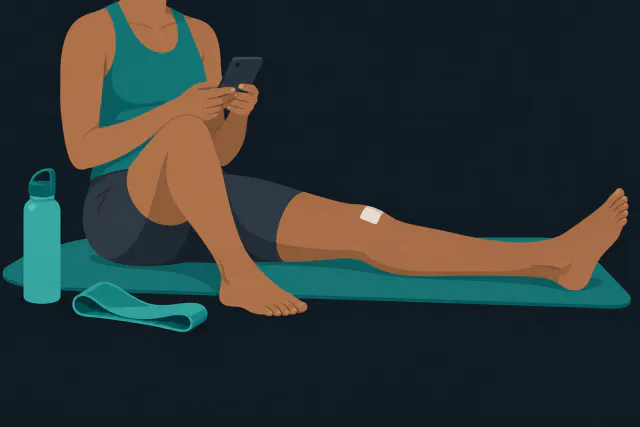
What to look for before you commit: criteria-based progression, range-of-motion and pain logging, a programme your physio can change, and where your data goes.
What does rehab look like?
How long does ACL surgery recovery take? A timeline
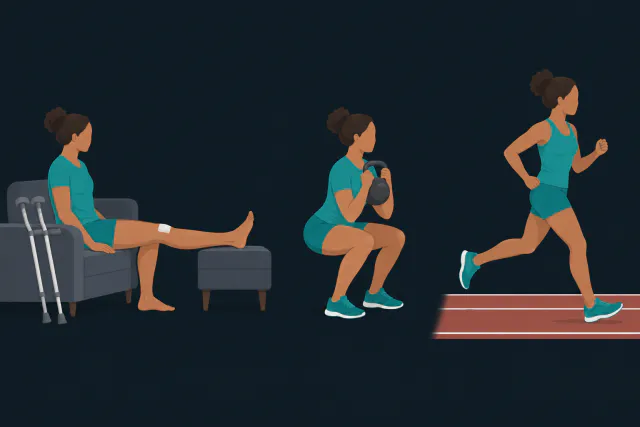
Walking well within weeks, daily life within months, up to a year for sport; pivoting sport usually needs nine months. Each milestone, and what moves it.
Why do ACL guidelines say nine months?
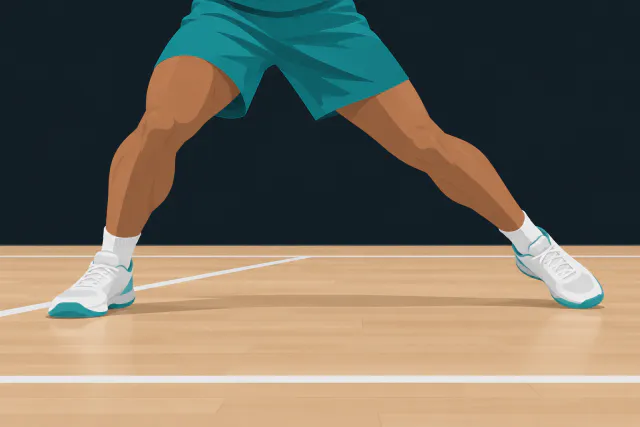
Nine months comes from two cohort studies of reinjury, not from a graft that heals on a set date. It is a floor for pivoting sport, not proof of readiness.
ACL rehab weeks 4 to 6: progressive strengthening
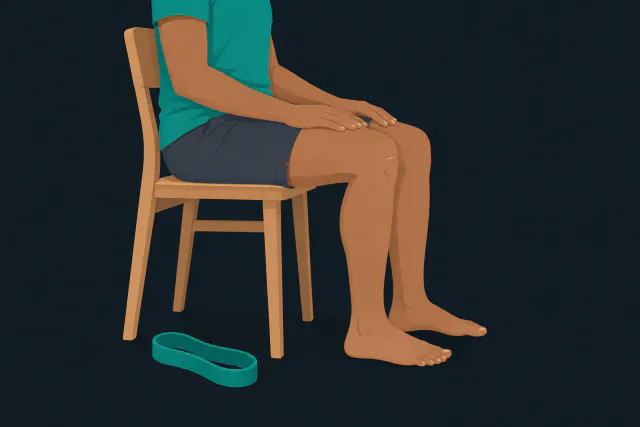
Around weeks 4 to 6 after ACL surgery, rehab usually moves from settling the knee to building strength and control. Criteria, not dates, decide what comes next.
ACL rehab weeks 6 to 8: advanced strengthening
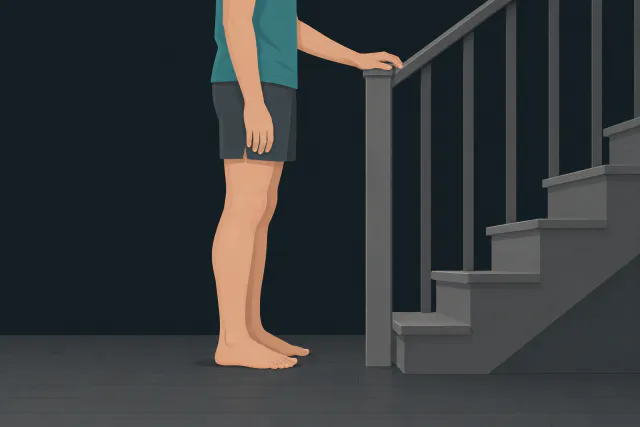
Around weeks 6 to 8 after ACL surgery, rehab usually asks more of the operated leg while full movement returns. Criteria, not dates, decide the move to the gym.
ACL rehab weeks 8 to 12: gym strength training
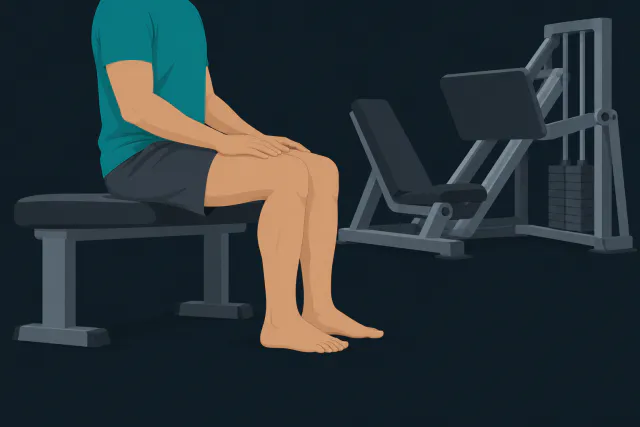
Around weeks 8 to 12 after ACL surgery, many programmes add gym machines and steadily rising loads. How the knee responds, not the date, sets the pace.
ACL rehab weeks 12 to 16: gym strength
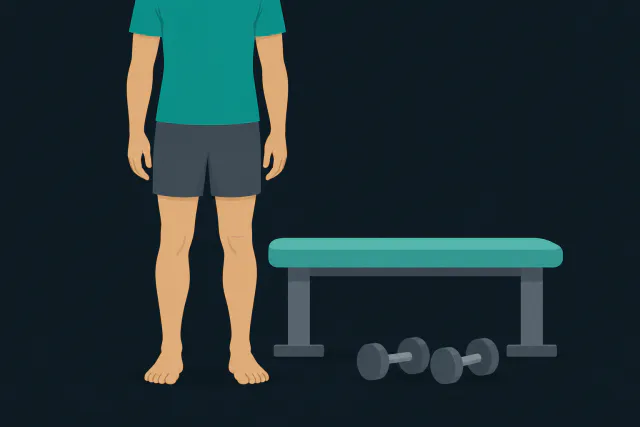
Around weeks 12 to 16 after ACL surgery, gym work usually gets heavier and moves to one leg at a time. Why, and what usually decides the next step.
ACL rehab weeks 16 to 20: advanced strength
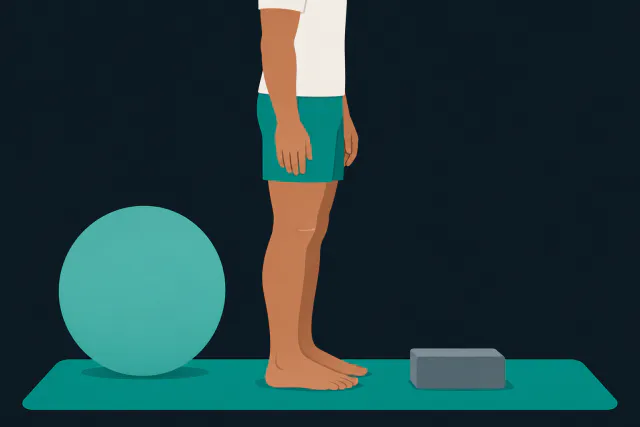
Around weeks 16 to 20 after ACL surgery, strength work usually moves to harder single-leg exercises. Why, and what usually decides the move to jumping.
ACL rehab weeks 20 to 24: getting ready to run
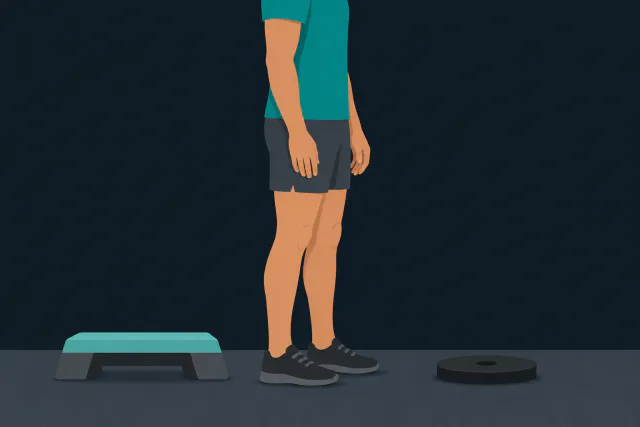
Around weeks 20 to 24 after ACL surgery, many programmes add small jumps, landing practice and stamina work. Why, and what usually decides the first run.
ACL rehab weeks 24 to 28: starting to run
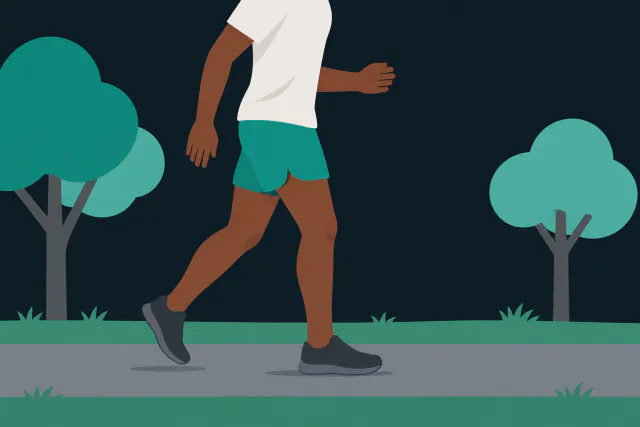
In many programmes, weeks 24 to 28 after ACL surgery bring the first runs: short, easy and in straight lines. How they usually build up and what is tested next.
ACL rehab weeks 28 to 39: advanced jumping
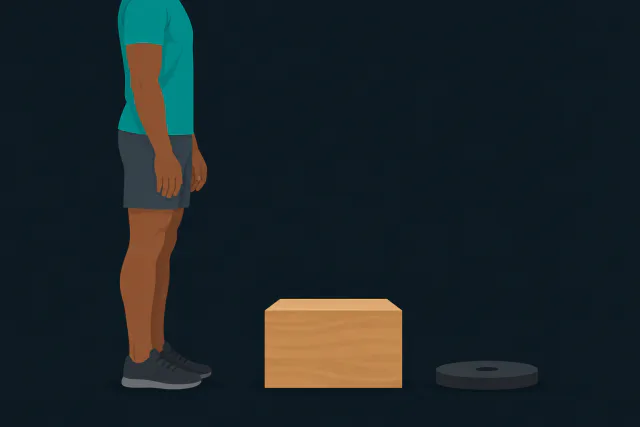
After running, ACL programmes move on to harder jumps: on one leg, sideways and across, with landings you hold. What this stage trains and what is tested next.
ACL rehab weeks 39 to 48: cutting and sport
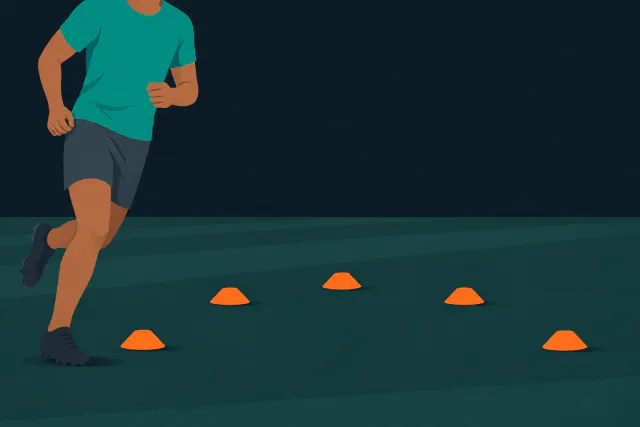
The last stage of ACL rehab adds cutting drills in steps, then tests you before sport. Why it rarely starts before 9 months, and what finishing it means.
Hamstring vs patellar tendon graft: the early weeks
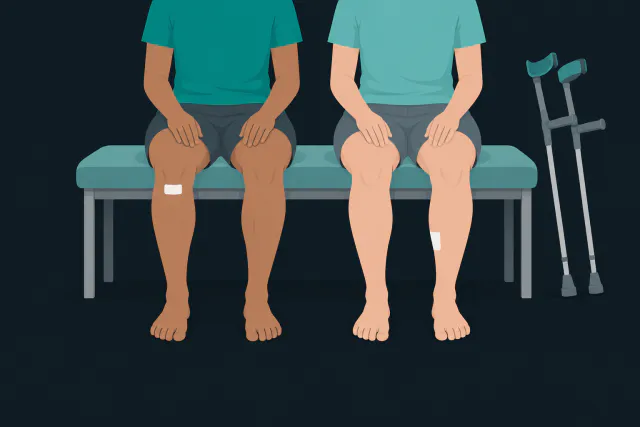
What differs in the first weeks after a hamstring or a patellar tendon graft, what each donor site adds, and how much of rehabilitation is the same.
Quadriceps tendon graft recovery after ACL surgery
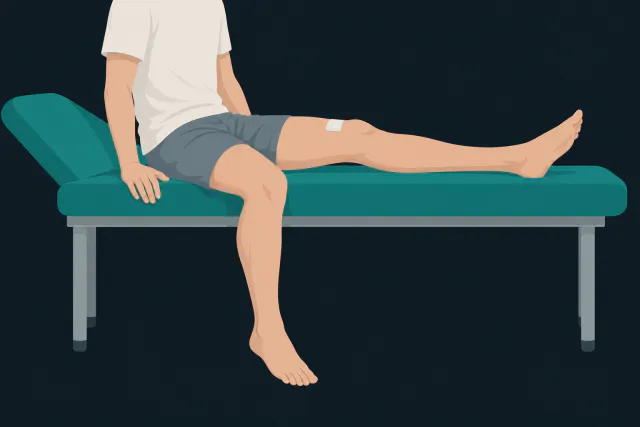
Where a quadriceps tendon graft is taken from, why extension gets watched so closely afterwards, and what the strength and registry data actually show.
Meniscus repair with ACL reconstruction: what changes
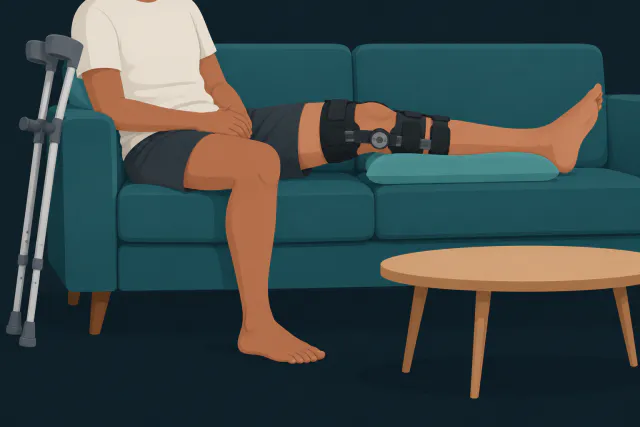
A stitched meniscus usually means weeks of limited weight and bending on top of the ACL protocol. How long varies by repair and surgeon.
How much physiotherapy do you need after ACL surgery?
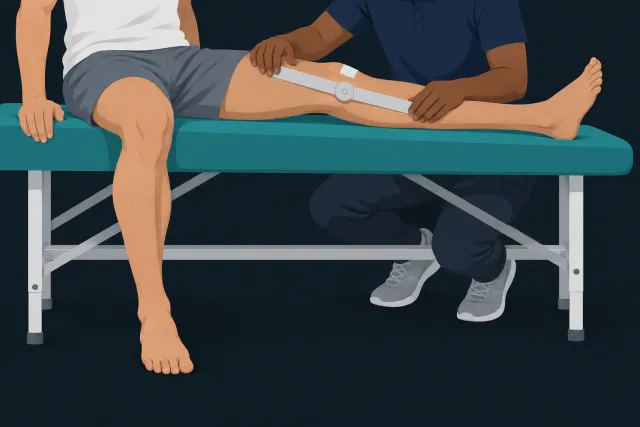
What the trials say about supervised appointments versus a home programme after ACL reconstruction, how many sessions people get, and what matters more.
Should you do ACL rehab exercises every day?
Early range-of-motion and quad exercises are usually daily, often several times a day; strength work moves to a few days a week. Your programme sets the days.
Rest days in ACL rehab: why they are part of the plan
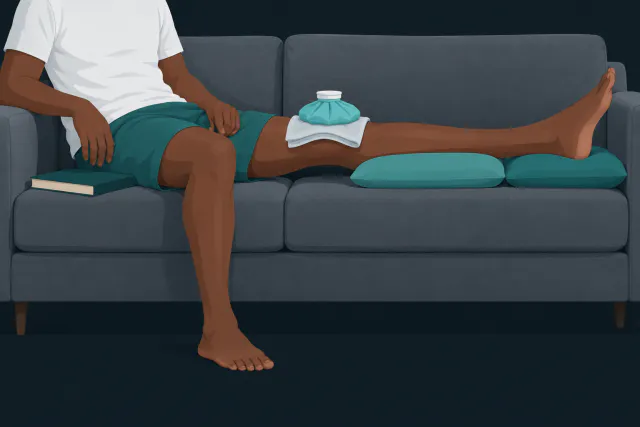
Rest days are part of ACL rehab: muscles gain from recovery, and Delaware's running plan never runs two days in a row. Walking and icing usually carry on.
What evidence-based ACL rehab actually means
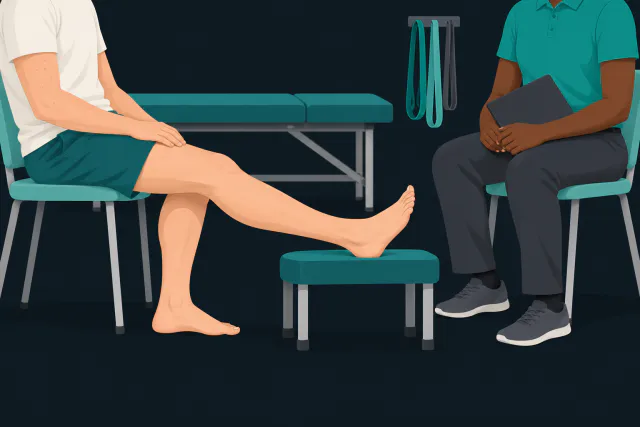
Research, clinical judgement and your goals, combined. Most ACL rehab research is low certainty, so guidelines also rest on expert consensus.
Newest answers
- Can you swim with a torn ACL?
- ACL rehab weeks 39 to 48: cutting and sport
- ACL rehab weeks 28 to 39: advanced jumping
New articles are added regularly; subscribe with RSS.